Mass Party is planning further than just 2027. After 2027, we are building Resistance Lands as organized, physical space where people can live together, organize together, and grow collective capacity so we can build sustained resistance. These are not temporary encampments or symbolic demonstrations — they are infrastructure that increases capacity and expands what is possible.
Resistance Lands will increase capacity: when people have land, housing, communal resources, and organized space, ordinary people can participate politically in ways capitalism has historically denied. Folks who couldn’t participate because capitalism has forced them to survive rather than organize gain the time, community, and resources to become organizers themselves.
The Limits of Occupy Wall Street
The Occupy Wall Street movement in New York and across the U.S. showed the power of mass resistance — but also the limits of protest without lasting infrastructure. Despite raising hundreds of thousands of dollars and gaining national attention, Occupy’s encampments dissolved without being converted into lasting bases of organization or capacity for continued struggle. Money flowed around the movement and it gained cultural attention, and celebrity engagement, but it did not become sustained physical infrastructure that could train people, house them, or turn participation into organized capacity. As a result, the movement largely faded.
The lesson is not that resistance is futile — but that mass struggle without infrastructure fails to expand capacity and therefore cannot continue to effectively challenge power.
Infrastructure Makes Mass Resistance Possible
In contrast, movements grounded in land-based organizing have transformed political life.
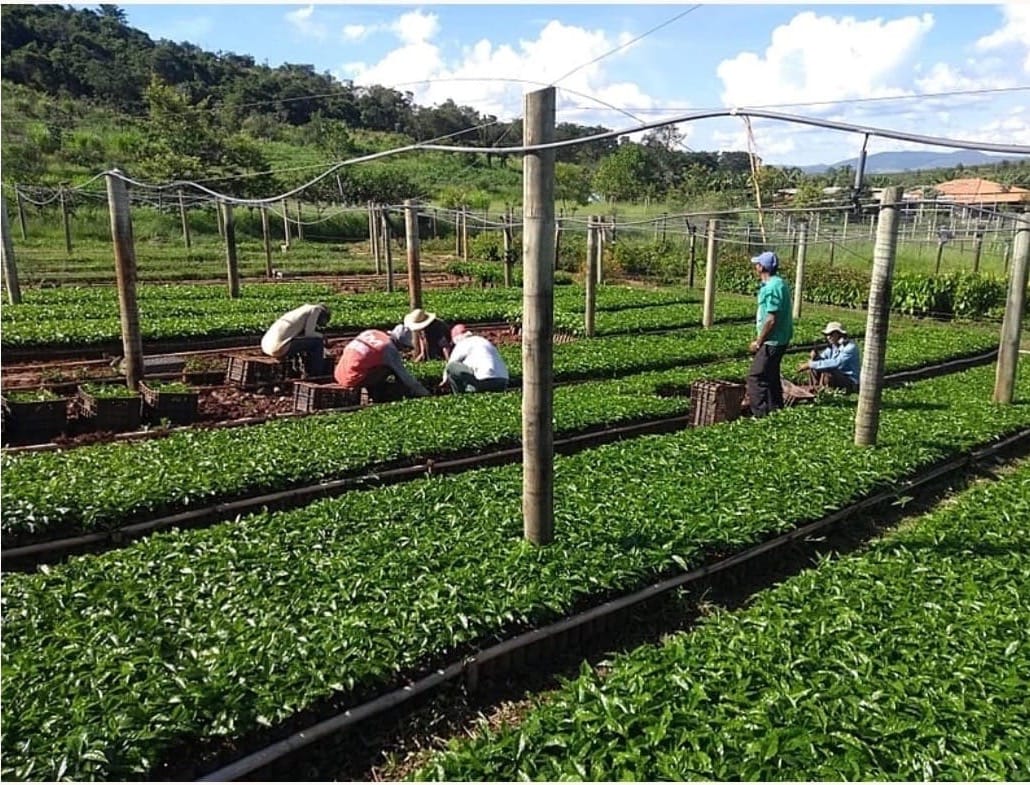
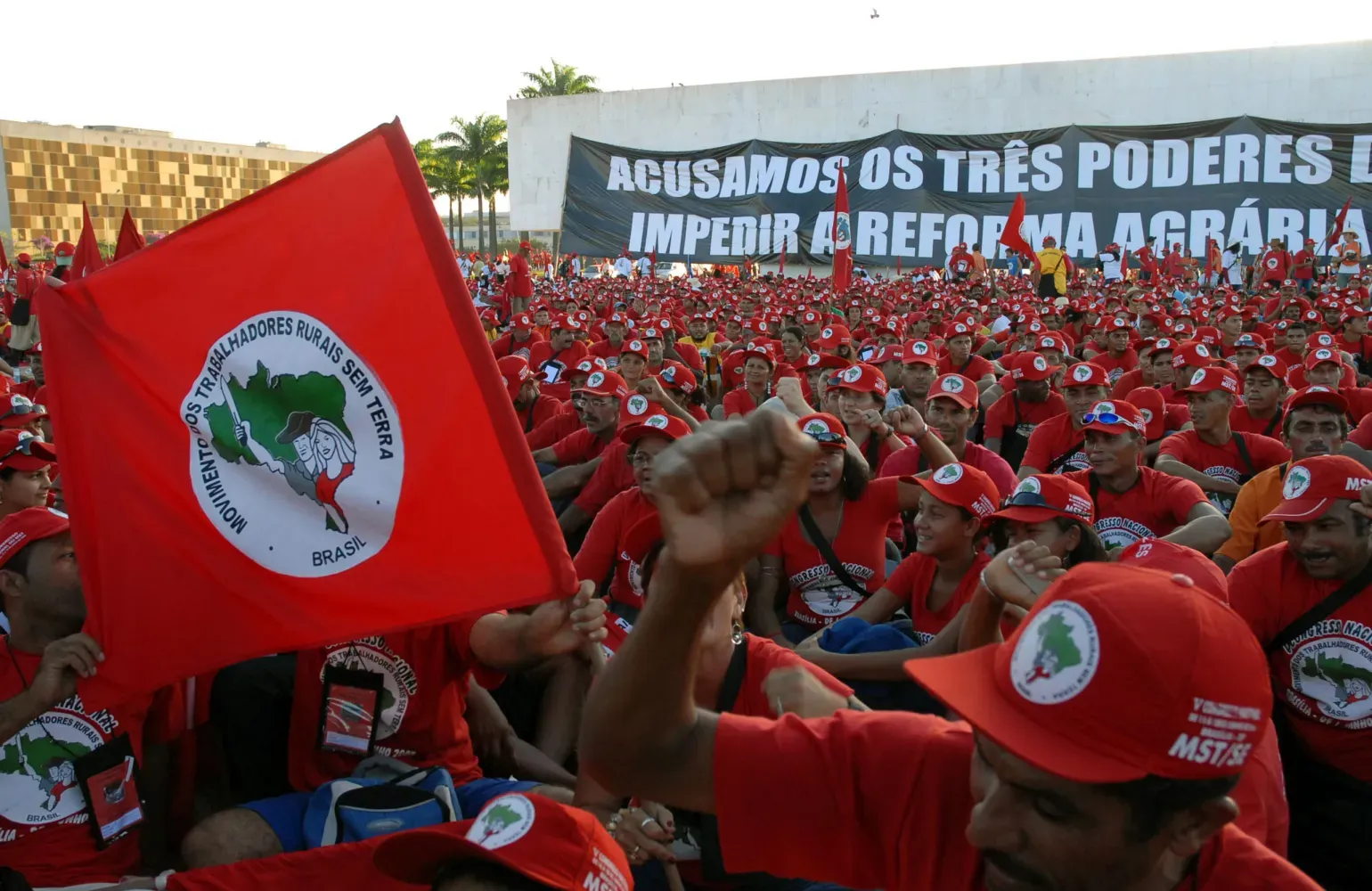
Brazil’s MST (Movimento dos Trabalhadores Rurais Sem Terra, "Landless Workers Movement" in English) has built decades of sustained resistance by occupying land, organizing collective farms, and forming community educational and production spaces that provide material bases for struggle. Through building capacity among the people, MST is also able to call for mass demonstrations. MST’s organizing isn’t occasional protest. It is infrastructure for resistance embedded in land, community, and shared work.
Across Latin America today, MST’s capacity has translated into international solidarity efforts. As imperialist pressure on Venezuela grows, Latin American mass movements are coordinating to organize brigades of activists to send to Venezuela — not as a token gesture, but as a concrete expression of solidarity rooted in organized capacity to act with others.
These aren’t isolated demonstrations. They are networks of organized people with the material basis to act.
Lessons From Fannie Lou Hamer and Poor People’s Resistance
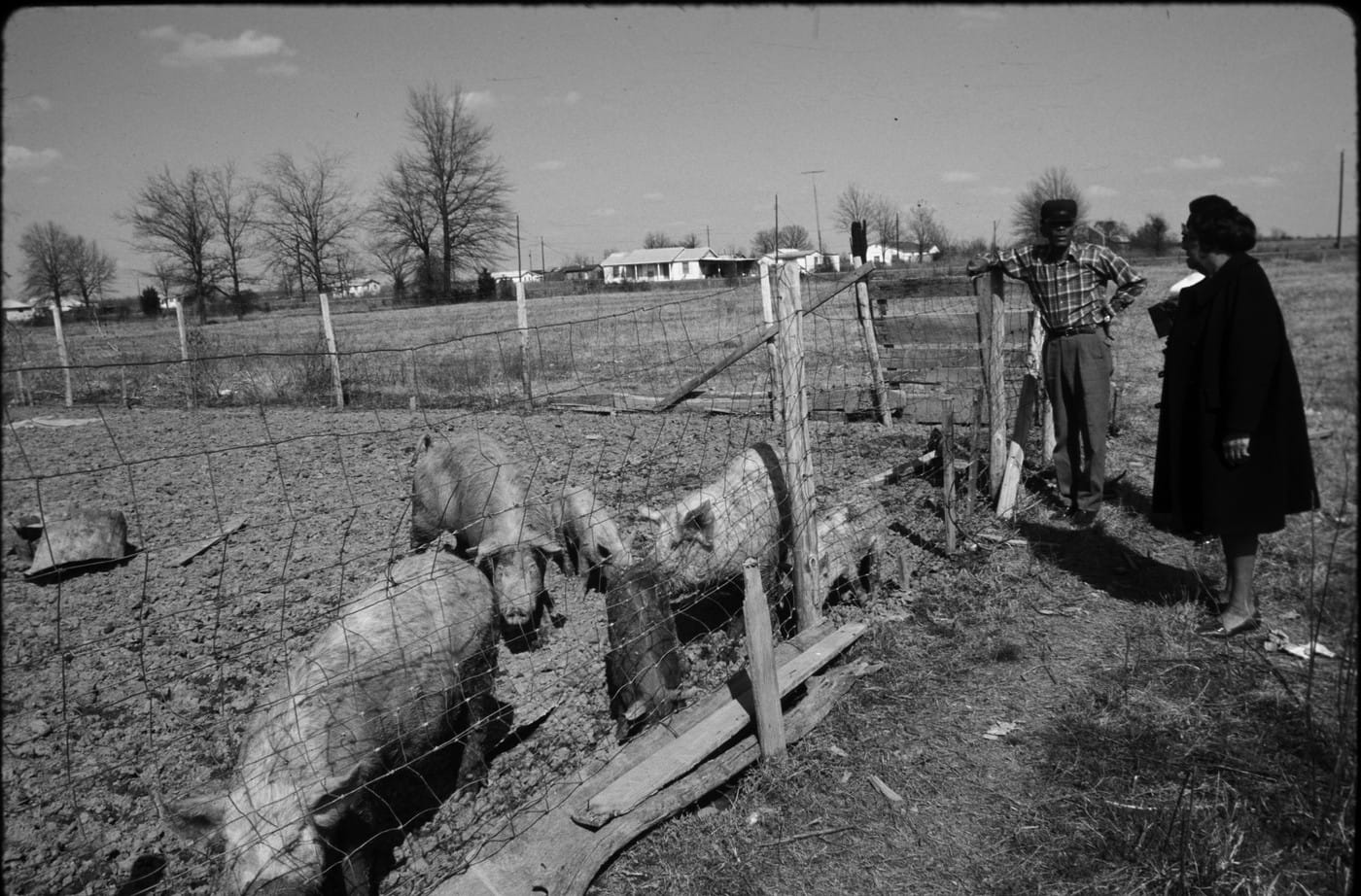
This principle is not new. In the U.S. South, Fannie Lou Hamer worked with poor farmers and homeless families to build community resources, mutual aid, and collective capacity to fight voter suppression. The Freedom Farm Cooperative was collective capacity building that enabled people to take political action. These efforts increased political power for oppressed people, demonstrating how organized infrastructure amplifies resistance.
Resistance Lands are built for the same reason:
Infrastructure makes new organizers from people of the masses who could not participate before because capitalism denied them time and space.
Infrastructure allows people to practice sustained collective resistance, not just attend protests.
Infrastructure means political capacity becomes material and shared — capable of mobilizing millions, coordinating solidarity, and acting together with others.
When infrastructure expands capacity, movements don’t just resist — they grow and deepen solidarity. Resistance Lands are a foundation — a place where people learn together, struggle together, and build the capacity we need to resist better and practice real international solidarity.